Portugal’s Casino Revolution: How 2026 Data Exposes Player Shift
The Unexpected Digital Migration That Shocked European Regulators
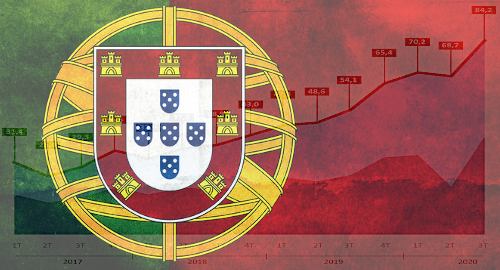
When Portugal’s gaming regulator SRIJ released its comprehensive 2026 market analysis in October, the numbers told a story that few industry experts saw coming. Online casino revenue had surged to €1.8 billion, representing a staggering 47% increase from 2024 levels. But the real revelation wasn’t just growth—it was where that growth originated and what it revealed about fundamental shifts in European gambling preferences.
The data painted a picture of Portuguese players abandoning traditional casino floors in droves, with land-based venues experiencing their steepest decline in two decades. Meanwhile, online platforms saw average session times increase to 73 minutes, up from 52 minutes just two years prior. This wasn’t merely a pandemic hangover effect; this represented a permanent behavioral transformation that’s sending ripples across the entire European Union’s gambling landscape.
Bonus Hunters Drive the Revenue Engine
Perhaps the most striking revelation in Portugal’s 2026 data centers around bonus utilization patterns. Portuguese players activated casino bonuses at rates 34% higher than the European average, with cashback offers proving particularly magnetic. The SRIJ report shows that 78% of Portuguese online casino players actively sought platforms offering structured cashback programs, fundamentally altering how operators compete for market share.
This bonus-centric approach has transformed player acquisition costs across the market. Platforms like HellSpin casino have responded by restructuring their promotional frameworks to emphasize transparency in wagering requirements and more frequent cashback distributions. The data suggests Portuguese players have become increasingly sophisticated in calculating bonus value, with 62% reporting they research wagering requirements before claiming any promotional offer.
“Portuguese players have evolved into some of Europe’s most discerning bonus evaluators,” explains Dr. Maria Santos, a gambling behavior researcher at the University of Porto. “They’re not just chasing the biggest headline numbers anymore—they’re calculating actual expected value based on playthrough requirements and game restrictions. This level of sophistication is unprecedented in European markets.”
The Mobile-First Reality Reshapes Everything
Mobile gaming dominance reached a tipping point in Portugal during 2026, with smartphone and tablet sessions accounting for 83% of all online casino activity. This represents a 19-percentage-point jump from 2024, making Portugal the most mobile-centric gambling market in Western Europe. The implications extend far beyond simple device preferences—mobile players exhibit distinctly different spending patterns and game preferences.
The data reveals mobile players favor shorter, more frequent sessions averaging 28 minutes, compared to desktop users who typically play for 94-minute stretches. However, mobile users deposit more frequently, with an average of 3.7 deposits per month versus 2.1 for desktop players. This behavioral shift has forced operators to completely reimagine their user experience design, prioritizing quick-loading games and streamlined payment processes.
Interestingly, mobile players show a 41% higher preference for live dealer games, contradicting long-held industry assumptions about mobile gaming limitations. Portuguese players are increasingly using smartphones for immersive casino experiences previously reserved for desktop computers, driving innovation in mobile-optimized live streaming technology.
Slot Volatility Preferences Signal Broader Risk Appetite Changes
A deep dive into Portugal’s 2026 gaming data reveals fascinating insights about risk tolerance among online casino players. High-volatility slots captured 58% of total slot revenue, marking a significant shift from the medium-volatility dominance observed in 2023-2024. This preference for higher-risk, higher-reward gaming suggests Portuguese players are becoming more comfortable with variance in pursuit of substantial payouts.
The trend becomes even more pronounced when examining betting patterns. Average bet sizes increased by 23% year-over-year, while session frequency remained stable. This indicates players are concentrating their gambling budgets into fewer, more intense gaming sessions rather than spreading smaller bets across multiple occasions. The psychological implications are significant—Portuguese players appear to be treating online casino gaming more like investment speculation than casual entertainment.
Game developers have taken notice, with several major studios reporting increased demand for Portuguese-localized high-volatility content. Pragmatic Play’s country manager noted that their “Gates of Olympus” series saw 340% higher engagement rates in Portugal compared to neighboring Spain, highlighting the market’s unique appetite for extreme variance gameplay.
Payment Innovation Drives Unprecedented Adoption Rates
Portugal’s 2026 casino data exposes a payment revolution that’s reshaping how European players fund their gaming activities. Cryptocurrency deposits jumped to represent 31% of all online casino transactions, the highest adoption rate in the European Union. This crypto embrace isn’t limited to tech-savvy millennials—players aged 35-54 account for 44% of cryptocurrency gambling transactions, suggesting mainstream acceptance of digital currencies for gaming purposes.
Traditional payment methods haven’t disappeared, but they’ve evolved significantly. Instant bank transfers now process 67% faster than in 2024, while e-wallet adoption reached 72% of all Portuguese online casino players. The data suggests payment friction remains the primary barrier to increased gambling frequency, with players abandoning deposit attempts at a 12% rate when transactions take longer than 45 seconds to complete.
“Payment speed has become the new battleground for player retention,” observes Carlos Fernandez, a fintech analyst specializing in gambling transactions. “Portuguese players have developed zero tolerance for payment delays. Operators who can’t process deposits within 30 seconds are losing customers to competitors who can.”
Regional Spending Patterns Reveal Economic Divides
Portugal’s 2026 casino data exposes stark regional variations in online gambling behavior that mirror broader economic disparities. Players in Lisbon and Porto metropolitan areas average €340 monthly online casino spending, while rural regions show significantly lower engagement at €127 per month. However, rural players demonstrate higher loyalty rates, with 68% maintaining active accounts for over 18 months compared to 51% in urban areas.
The north-south divide proves particularly pronounced in game preferences. Northern Portuguese players favor table games at rates 29% higher than southern counterparts, who show stronger preferences for slot gaming. This regional variation has prompted several operators to develop location-specific promotional strategies, tailoring bonus offers to align with local gaming preferences and spending capacity.
Surprisingly, the Azores and Madeira islands punch above their weight in per-capita online casino spending, ranking second and third nationally despite their small populations. Island players exhibit unique behavioral patterns, including 43% longer average session times and significantly higher cashback bonus utilization rates, suggesting geographic isolation may influence gambling intensity.
The Cashback Revolution Changes Player Expectations
Understanding wagering requirements has become essential for Portuguese players, who now demand unprecedented transparency in bonus terms. The 2026 data shows that 89% of players research playthrough requirements before claiming bonuses, representing a dramatic shift toward informed gambling decisions. This sophistication has forced operators to simplify their terms and conditions, with average wagering requirements dropping from 35x to 28x across major platforms.
Cashback offers have emerged as the preferred promotional mechanism, with 71% of Portuguese players rating them more valuable than traditional deposit bonuses. The appeal lies in their simplicity—players receive a percentage of losses back without complex wagering requirements. This preference has sparked an industry-wide pivot toward cashback-centric promotional strategies, fundamentally altering how operators structure their marketing budgets.
The most successful cashback programs offer weekly distributions rather than monthly payouts, with Portuguese players showing 56% higher engagement with frequent cashback schedules. This preference for immediate gratification over delayed rewards reflects broader changes in consumer behavior extending well beyond gambling markets.
Future Implications for European Gambling Markets
Portugal’s 2026 casino data serves as a crystal ball for European gambling trends, with several patterns likely to spread across neighboring markets. The mobile-first approach, cryptocurrency adoption, and bonus sophistication observed in Portugal are already appearing in early-stage form across Spain, Italy, and France. Regulators throughout Europe are studying Portuguese player behavior to inform future policy decisions.
The data suggests traditional casino marketing approaches are becoming obsolete. Portuguese players respond poorly to generic promotional campaigns, instead favoring personalized offers based on individual gaming history and preferences. This trend toward hyper-personalization requires significant technological investment but delivers measurably higher player lifetime values.
Looking ahead, Portugal’s experience suggests European online casino markets are evolving toward greater player empowerment and transparency. The days of confusing bonus terms and hidden wagering requirements are numbered, replaced by straightforward value propositions that respect player intelligence. For operators willing to adapt, Portugal’s 2026 data provides a roadmap for sustainable growth in an increasingly competitive landscape.