German Regulators Target Live Football Betting Explosion
The Bundesliga Betting Boom Triggers Regulatory Alarm
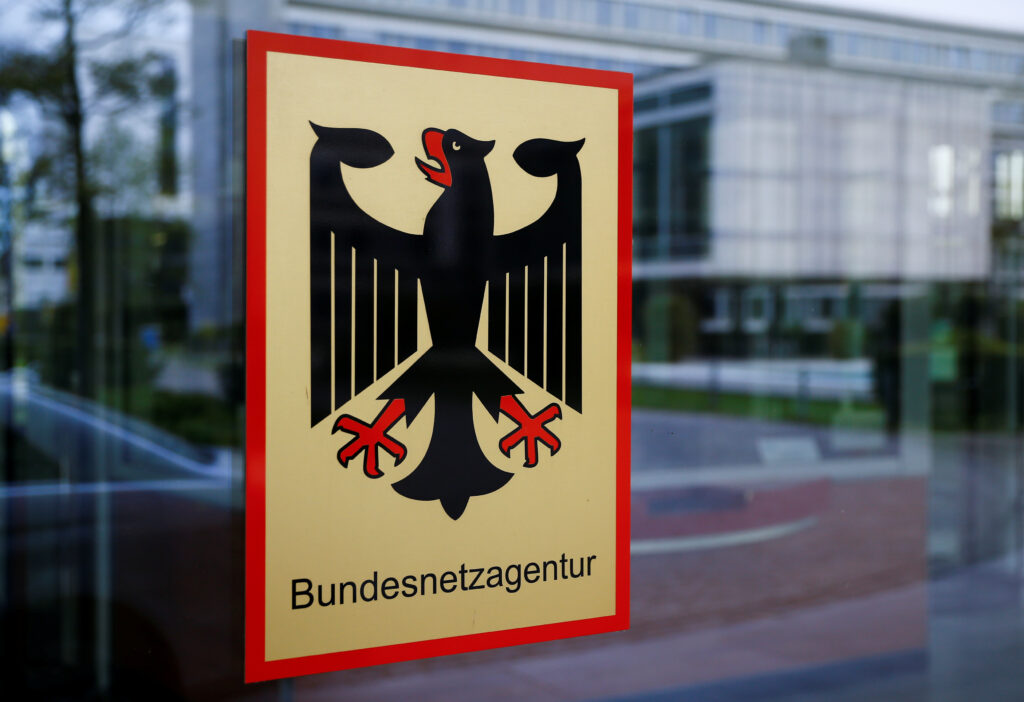
Germany’s live football betting market has exploded beyond all expectations since the country’s gambling liberalization in 2021. What started as a measured approach to sports wagering has transformed into a €4.2 billion industry that’s catching regulators off guard. The Gemeinsame Glücksspielbehörde der Länder (GGL), Germany’s joint gambling authority, reported a staggering 340% increase in live betting volumes during the 2025-26 Bundesliga season compared to traditional pre-match wagering.
This dramatic shift hasn’t gone unnoticed by German authorities, who are increasingly concerned about the rapid proliferation of in-play betting options. Unlike traditional casino bonuses that attract players with upfront value, live betting creates a continuous engagement loop that keeps punters glued to their screens for 90 minutes or more. Platforms like IviBet have capitalized on this trend by offering extensive live betting markets that update odds every few seconds during matches.
The regulatory scrutiny intensified following a series of high-profile incidents during Champions League matches, where suspicious betting patterns emerged in the final minutes of games. Dr. Andreas Mueller, head of sports integrity at the German Football Association (DFB), notes: “We’re seeing betting volumes that spike dramatically in the last 15 minutes of matches, often on obscure markets like throw-in counts or corner kick timing. This level of granular wagering wasn’t possible five years ago.”
Technology Outpaces Traditional Oversight Mechanisms
The technological sophistication of modern live betting platforms has created a regulatory nightmare for German authorities. Real-time odds compilation, micro-betting markets, and instant settlement capabilities have transformed football matches into non-stop gambling opportunities. Current data shows that the average German bettor places 7.3 separate wagers during a single Bundesliga match, compared to just 1.2 bets per game in traditional pre-match scenarios.
What’s particularly troubling regulators is the emergence of “micro-markets” – bets on events that occur every few minutes during play. These include wagers on the next player to touch the ball, the exact minute of the next substitution, or whether a specific player will commit a foul in the next five minutes. The GGL’s latest compliance report reveals that 68% of all live betting revenue now comes from these granular markets rather than traditional outcomes like match winners or goal scorers.
The speed of these transactions has overwhelmed existing monitoring systems. Traditional responsible gambling tools like deposit limits and session timers become less effective when players can place dozens of small bets in rapid succession. “We’re dealing with a form of gambling that resembles stock trading more than traditional sports betting,” explains Dr. Sarah Hoffmann, a gambling addiction researcher at the University of Hamburg. “The psychological impact of constant decision-making and instant gratification creates dependency patterns we haven’t seen before.”
Match-Fixing Concerns Escalate With Granular Markets
Perhaps the most serious concern facing German regulators is the potential for match manipulation through live betting markets. The granular nature of modern in-play wagering creates opportunities for corruption that didn’t exist in traditional sports betting. A player can now influence betting outcomes without affecting the actual match result – something that has European football authorities deeply worried.
Recent investigations by Sportradar, the sports integrity monitoring company, identified 127 suspicious matches across German leagues in 2025, with 89% of the questionable activity occurring in live betting markets. The company’s data shows unusual betting patterns on seemingly random events: a goalkeeper taking exactly 23 seconds for a goal kick, a defender receiving a yellow card in the 73rd minute, or a specific sequence of throw-ins.
The financial incentives are substantial. While traditional match-fixing required corrupting entire teams or referees to alter game outcomes, live betting corruption can be executed by a single player influencing minor events. A corner kick taken short instead of crossed, a deliberate foul in a specific area of the pitch, or even the timing of a substitution can generate significant profits for those betting on precise outcomes.
Advertising Blitz Overwhelms Consumer Protection
German football fans can’t escape live betting advertisements. During the average Bundesliga broadcast, viewers are exposed to 23 separate gambling promotions, with 67% specifically promoting live betting features. This represents a 400% increase from pre-liberalization levels, according to media monitoring firm SportBusiness Analytics.
The advertising strategies have become increasingly sophisticated, targeting specific psychological triggers that encourage impulsive betting. Real-time odds displays during broadcasts, “cash out” notifications sent to mobile devices during matches, and social media campaigns that celebrate split-second betting decisions all contribute to what critics describe as a “gambling saturation” of German football culture.
Youth exposure is a particular concern. Despite regulations prohibiting gambling advertising during family viewing hours, streaming platforms and social media channels have created new pathways for reaching younger audiences. A 2025 study by the University of Cologne found that 34% of German teenagers aged 16-17 could identify at least five live betting markets, despite being below the legal gambling age of 18.
Revenue Dependencies Create Regulatory Conflicts
The German government faces a complex balancing act between consumer protection and revenue generation. Live betting taxes contributed €847 million to federal and state coffers in 2025, making it one of the fastest-growing revenue streams in the country’s gambling sector. This financial dependency has created what some critics describe as a conflict of interest in regulatory enforcement.
State governments, particularly those hosting major football clubs, have become increasingly reliant on gambling tax revenue to fund sports infrastructure and youth programs. Bayern Munich’s Allianz Arena renovation was partially funded through gambling tax allocations, while Borussia Dortmund’s youth academy expansion received significant support from betting revenue streams.
The economic interconnectedness extends beyond government funding. The Bundesliga itself has embraced gambling partnerships, with 14 of 18 clubs maintaining official relationships with betting operators. These deals, worth a combined €156 million annually, create additional pressure to maintain the current regulatory framework despite growing concerns about live betting’s social impact.
International Pressure Mounts From EU Partners
Germany’s live betting explosion hasn’t occurred in isolation. The European Union is developing coordinated responses to what officials describe as a “cross-border gambling integrity crisis.” France, Italy, and Spain have all reported similar concerns about live betting’s impact on sports integrity and consumer protection.
The European Sports Security Association (ESSA) has documented a 280% increase in suspicious live betting alerts across EU member states since 2024. These alerts often involve betting patterns that span multiple countries, suggesting organized networks exploiting regulatory differences between jurisdictions. German matches have been flagged in 31% of these cross-border investigations.
European Parliament member Maria Santos, who chairs the Committee on Sports Integrity, recently stated: “Germany’s liberal approach to live betting is creating spillover effects across the entire EU. We’re seeing betting syndicates exploit regulatory arbitrage between member states, and this threatens the integrity of European football as a whole.”
Technology Solutions Emerge But Face Implementation Challenges
The German gambling industry is developing technological solutions to address regulatory concerns, but implementation remains challenging. Artificial intelligence systems now monitor betting patterns in real-time, flagging suspicious activity within minutes of occurrence. These systems analyze over 2,000 data points per match, including bet timing, stake sizes, and geographical distribution of wagers.
Blockchain-based integrity monitoring represents another frontier in live betting oversight. Several German operators are piloting systems that create immutable records of all betting transactions, making it impossible to alter or delete suspicious activity after the fact. However, the computational requirements and energy consumption of these systems have raised environmental concerns.
The most promising development may be predictive modeling that identifies potentially corrupted events before they occur. By analyzing historical betting patterns, player behavior data, and social media sentiment, these systems can flag matches with elevated corruption risks up to 48 hours in advance. Early trials suggest these systems can predict suspicious activity with 73% accuracy.
Future Regulatory Framework Takes Shape
The GGL is preparing comprehensive reforms to address live betting concerns while preserving the industry’s economic contributions. Proposed changes include mandatory cooling-off periods between bets, restrictions on certain micro-markets during the final 15 minutes of matches, and enhanced identity verification for high-volume live bettors.
The most significant change may be the introduction of “betting circuit breakers” – automatic suspensions of live markets when unusual activity is detected. Similar to stock market trading halts, these measures would pause betting on specific markets until integrity officials can review the situation. Industry estimates suggest these measures could reduce live betting revenue by 15-20%, but regulators argue the integrity benefits justify the economic cost.
Looking ahead, Germany’s approach to live betting regulation will likely influence policy development across Europe and beyond. The country’s experience demonstrates both the opportunities and risks of liberalized gambling markets in the digital age. Whether German regulators can successfully balance innovation, revenue generation, and consumer protection will determine the future landscape of European sports betting for years to come.